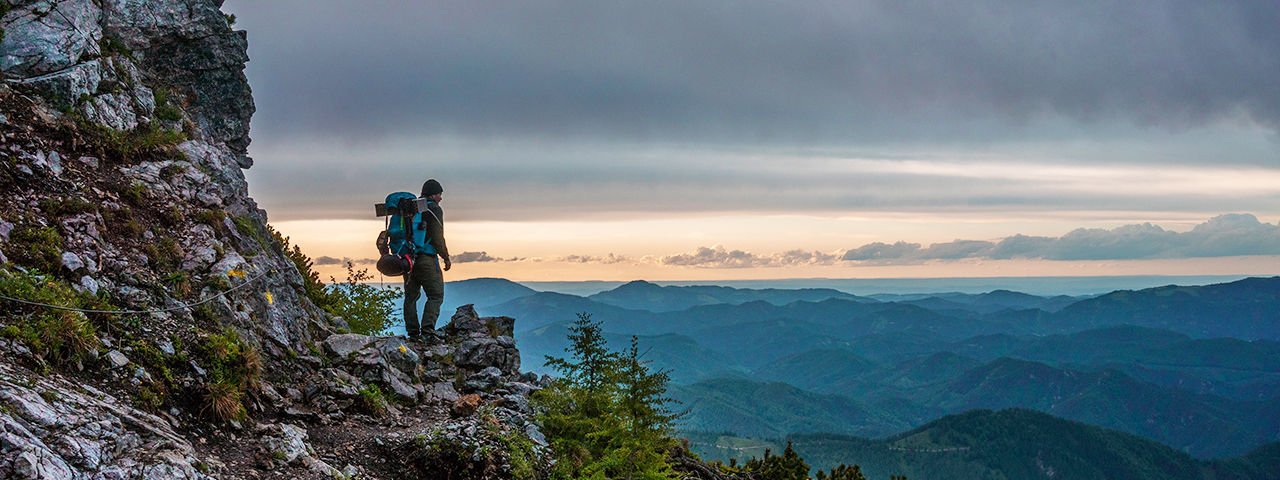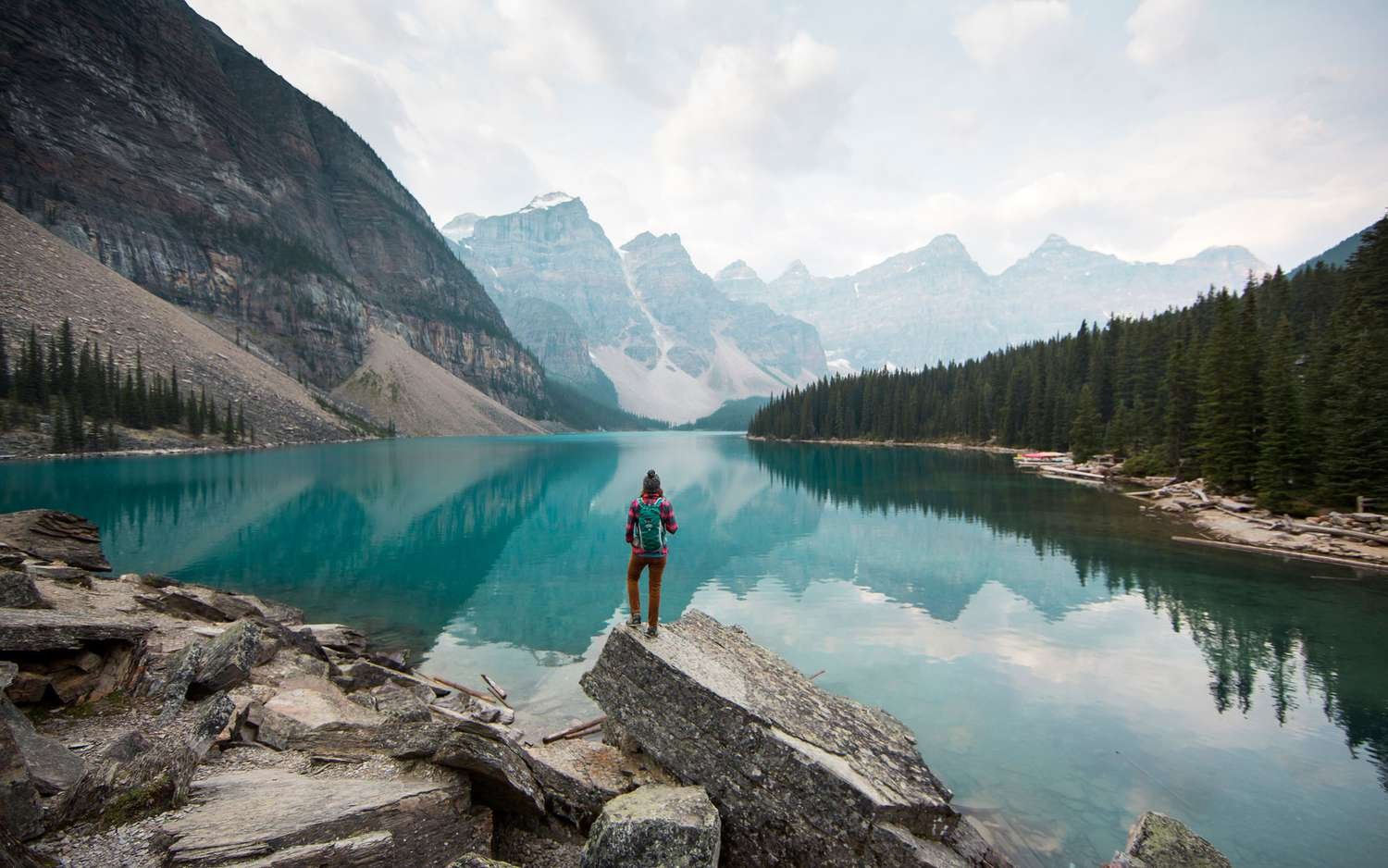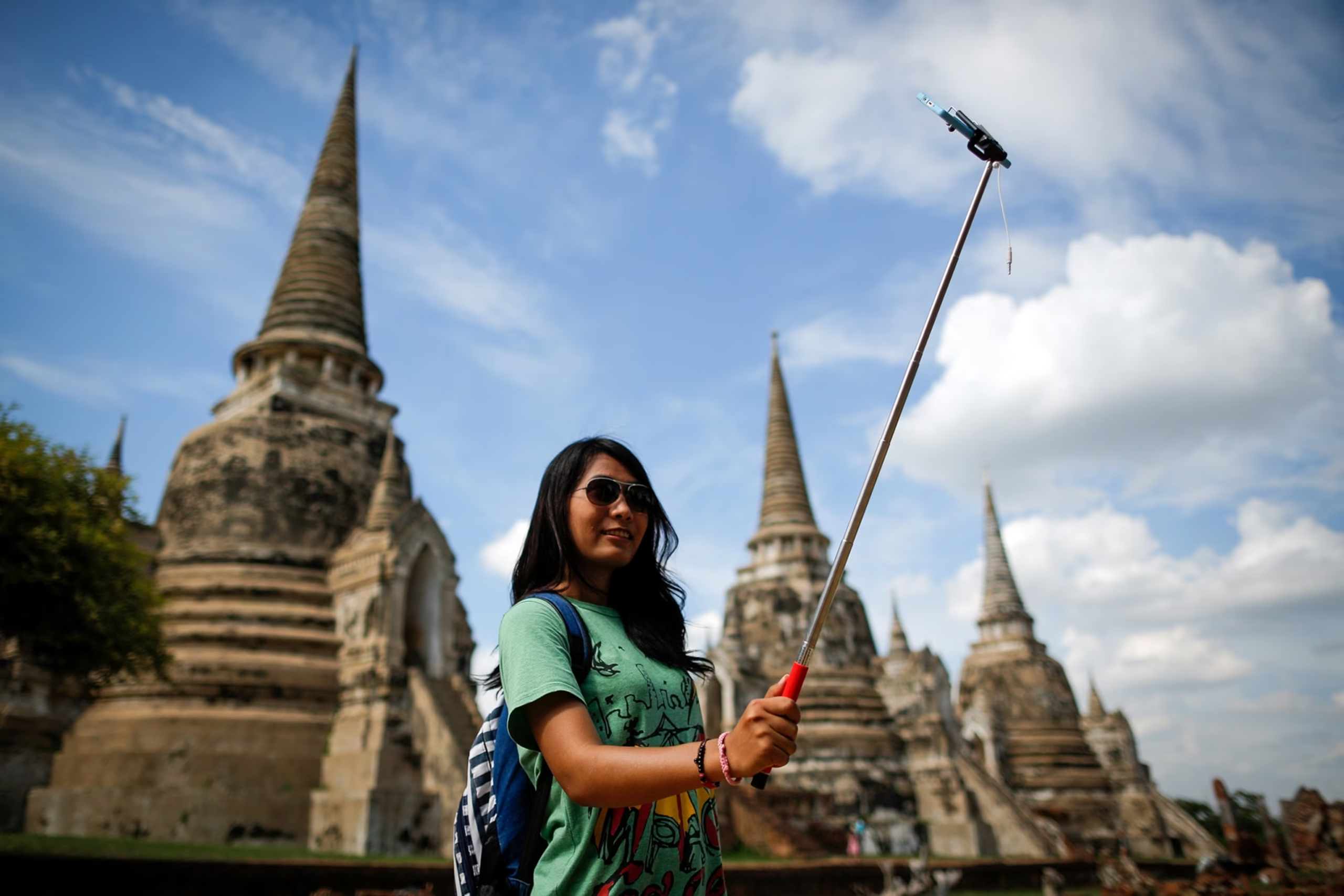
Solo travel isn’t just about snapping photos in front of famous landmarks or ticking destinations off a bucket list. It’s a raw, unfiltered classroom where the world—and more importantly, you—become the teacher. In an era when the global solo travel market hit $549 billion in 2025 and is projected to reach $1.6 trillion by 2033, more people than ever are choosing to go it alone. Seventy-six percent of Millennials and Gen Z are planning solo trips this year, drawn by the freedom to chase their own rhythm without compromise.
I still remember my first solo trip—a nerve-wracking flight to Bangkok at 24, backpack heavier than my doubts. I’d never eaten alone in a restaurant, let alone navigated a city where the signs looked like abstract art. What started as terror turned into the most transformative chapter of my life. Over a dozen countries and countless miles later, solo travel has handed me lessons no group tour or travel buddy could ever teach. These six truths have reshaped how I move through the world—and they can do the same for you.
If you’ve been eyeing that “one day” solo adventure but feel held back by fear, logistics, or that nagging voice saying “maybe next year,” this is your sign. Let’s dive into what solo travel actually teaches you when the group chat goes silent and it’s just you, your passport, and the open road.
1. Unshakable Independence: Learning to Rely Only on Yourself
Solo travel strips away the safety net of companions and forces you to make every decision yourself—from choosing dinner to rerouting when plans collapse. You quickly realize no one else is coming to fix things, and that realization is liberating. Suddenly, budgeting, navigating airports, and negotiating with tuk-tuk drivers stop feeling overwhelming and start feeling like second nature.
On my second solo trip to Vietnam, my train from Hanoi to Hue was canceled without warning. No group to share the panic with—just me, a crumpled ticket, and a language barrier thicker than the monsoon rain outside. I haggled for a last-minute bus, found a homestay through a local app, and arrived exhausted but proud. That night I slept better than I had in months because I’d proven something to myself: I could handle whatever came my way.
- You learn to trust your own judgment on everything from street food to late-night walks.
- Budgeting becomes instinctive—you know exactly what your money can stretch to when it’s only yours.
- Daily choices (what to see, when to eat, how long to stay) train you to prioritize your own needs without guilt.
Solo vs. Group Travel: A Quick Comparison
| Aspect | Solo Travel | Group Travel |
|---|---|---|
| Decision-making | Fully yours—zero compromise | Negotiated, often slower |
| Budget control | Every rupee or dollar is yours | Shared costs but shared opinions |
| Flexibility | Change plans on a whim | Tied to the slowest person |
| Personal growth | Skyrockets through self-reliance | Comfortable but less introspective |
The independence you build doesn’t stay on the road. It follows you home—into your career, relationships, and the way you show up for yourself every single day.
2. Resilience: Turning Roadblocks into Stepping Stones
Things go wrong on solo trips. Flights get delayed, hostels lose your booking, and you might miss the last bus by five minutes. Instead of crumbling, you adapt—and each time you do, your resilience muscle grows stronger. Solo travel doesn’t just teach you to survive setbacks; it shows you how to thrive because of them.
I once landed in Istanbul with a dead phone, no local SIM yet, and zero Turkish words beyond “merhaba.” My prepaid hostel shuttle never showed. Standing in the chaotic arrivals hall, I felt the familiar wave of panic. Then I remembered: I’d handled worse. I found a café with Wi-Fi, charged my phone, and used a translation app to get a taxi. Three hours later I was sipping çay on a rooftop terrace watching the Bosphorus, laughing at how close I’d come to tears. That minor disaster became one of my favorite stories.
Resilience shows up in small, daily wins too:
- Figuring out public transport in a new city without Google Translate failing you.
- Eating alone in a packed restaurant while locals smile at your courage.
- Pushing through jet lag or a bout of traveler’s tummy because there’s no one else to lean on.
The beauty? This resilience transfers straight to real life—job rejections, relationship hiccups, or unexpected curveballs stop feeling world-ending. You’ve already navigated worse with just a backpack and a smile.
3. Deep Self-Discovery: Meeting the Real You for the First Time
Without the noise of daily routines, expectations, or other people’s opinions, solo travel hands you the rare gift of uninterrupted time with yourself. You discover what actually lights you up—whether that’s waking up at dawn for sunrise hikes or lingering over coffee for three hours in a quiet café.
During a month-long solo stint in Portugal, I realized I wasn’t the extroverted party person my friends back home assumed I was. I spent entire days wandering Lisbon’s cobblestone streets alone, journal in hand, and felt more alive than I had in years. No pressure to perform. No need to match anyone’s energy. Just me, my thoughts, and the Atlantic crashing below the cliffs. I came home knowing exactly what kind of life I wanted to build—one with more silence, more curiosity, and way less people-pleasing.
You’ll uncover:
- Hidden strengths you never noticed in the busyness of “normal” life.
- Passions you’d buried under obligations (mine was slow travel and street photography).
- Boundaries you now refuse to compromise on.
Solo travel doesn’t always hand you a dramatic “eureka” moment. Sometimes it’s the quiet realization that you actually enjoy your own company—a truth that changes how you date, work, and live.
4. Bold Confidence: Proving You’re Braver Than You Think
The first time you walk into a restaurant alone or strike up a conversation with a stranger in a foreign country, your heart races. But each small victory stacks up until that fear of judgment fades. Solo travel teaches you that confidence isn’t something you’re born with—it’s something you build one brave step at a time.
My first solo dinner in Chiang Mai still makes me laugh. I sat at a tiny street stall, sweating under the fluorescent lights, convinced everyone was staring at the “lonely tourist.” Turns out the auntie running the stall was just excited to practice her English. We ended up chatting for an hour over pad thai, and she sent me off with extra mango sticky rice “for courage.” That meal taught me embarrassment is temporary—regret for not trying lasts longer.
You’ll watch your confidence grow in ways you can measure:
- Booking that overnight bus you once thought was “too risky.”
- Saying yes to spontaneous invitations from fellow travelers.
- Returning home and speaking up in meetings or setting boundaries with family.
The best part? This confidence doesn’t vanish when you unpack. It stays with you long after the passport stamps fade.
5. The True Value of Solitude: Turning “Alone” into “Alive”
Loneliness and solitude are not the same thing, and solo travel drives that lesson home. You learn to sit with your thoughts instead of running from them. Sunsets feel richer. Coffee tastes better. And those quiet moments become the highlights of the trip.
On a solo hike in the hills outside Cape Town, I sat on a rock overlooking the ocean and cried—not from sadness, but from pure relief. For the first time in years, there was no pressure to talk, perform, or entertain. Just wind, waves, and me. I left that mountain feeling lighter, like I’d finally made friends with myself.
Practical ways solitude becomes your superpower:
- Journaling without distraction reveals patterns you never noticed at home.
- Mindful meals turn into meditation sessions.
- You return home craving less screen time and more intentional alone time.
In a world that glorifies constant connection, learning to enjoy your own company is revolutionary.
6. Effortless Connection-Making: Building Friendships Anywhere
Ironically, traveling alone makes you more approachable. Without a group buffer, locals and fellow travelers reach out more easily. You learn that a smile and genuine curiosity open doors faster than any tour guide ever could.
In a tiny guesthouse in Morocco, I joined a group of travelers for mint tea and ended up with lifelong friends from three different continents. We still swap stories on WhatsApp years later. Solo travel taught me that the best connections happen when you’re open, not when you’re trying to impress.
Real-world proof:
- Hostel common areas turn strangers into dinner companions within minutes.
- Shared activities (cooking classes, walking tours) create instant bonds.
- You learn to read people quickly—trust your gut and say hello.
These friendships often outlast the trip itself, reminding you that the world is full of kind, interesting people waiting to be met.
Pros and Cons of Solo Travel – Honest Breakdown
Pros:
- Complete freedom to follow your own rhythm.
- Faster personal growth and self-awareness.
- Easier to meet new people (you’re more approachable).
- Deeper, more authentic experiences with locals.
Cons:
- Higher costs (no splitting rooms or taxis).
- Occasional loneliness that hits hard at sunset.
- Extra safety vigilance required, especially at night.
- All the planning and problem-solving lands on you.
The pros far outweigh the cons once you’ve built the skills—and that’s exactly what solo travel helps you do.
People Also Ask About Solo Travel
Is solo travel lonely?
It can be at times, especially during golden hour or after a long travel day. But most travelers report the loneliness passes quickly, replaced by a powerful sense of freedom and self-connection. Many say the solitude becomes one of the biggest gifts.
How safe is solo travel for women?
It’s generally safe when you research destinations, trust your instincts, and follow basic precautions like sharing your location with a trusted contact and avoiding isolated areas at night. Experience reduces worry dramatically—women with 10+ solo trips report feeling significantly safer.
What are the best destinations for first-time solo travelers?
Portugal, Thailand, Japan, New Zealand, and Costa Rica top most lists for safety, English-friendliness, and ease of getting around. They offer great infrastructure and welcoming cultures without overwhelming you.
How do solo travelers meet people?
Hostels, free walking tours, cooking classes, and apps like Bumble BFF or Couchsurfing Hangouts make it easy. Solo travelers are naturally more approachable, so simply showing up with a smile works wonders.
What should I pack for a solo trip?
Pack light: versatile clothing, a good daypack, portable charger, universal adapter, scarf for modesty/prayer/cold buses, and a small first-aid kit. Most important? A flexible mindset and a physical notebook for those off-grid moments.
FAQ: Your Solo Travel Questions Answered
Q1: What if I get homesick?
It happens to almost everyone. Schedule a quick video call with loved ones, then get out and do something small—like people-watching in a café. Homesickness usually fades within a day or two once you’re engaged with your surroundings.
Q2: How do I plan my first solo trip on a budget?
Start small: a weekend in a nearby city or a 4–5 day international trip. Use budget airlines, hostels, and street food. Apps like Rome2Rio for transport and Booking.com for flexible cancellation keep stress low.
Q3: Do I need travel insurance for solo trips?
Absolutely. Choose a policy that covers medical emergencies, trip cancellation, and lost luggage. It’s cheap peace of mind when you’re the only one responsible for yourself.
Q4: Is solo travel worth it if I’m introverted?
Yes—especially if you’re introverted. You control the social battery. Many introverts say solo travel gave them the perfect balance of alone time and low-pressure interactions.
Q5: When is the best time to start solo traveling?
Now. You don’t need to wait for the “perfect” moment, savings goal, or life stage. The best time is when the itch hits—because that feeling rarely goes away until you scratch it.
Solo travel doesn’t promise constant euphoria or Instagram-perfect moments. It promises growth, stories you’ll tell for decades, and a version of yourself that feels more alive, capable, and free. The six lessons above aren’t theoretical—they’re waiting for you on the road.
So book that ticket. Pack light. Trust that the person who steps off the plane at your destination will be stronger, wiser, and far braver than the one who boarded. The world is mostly good, people are kinder than the news suggests, and you? You’re more than ready.
Your solo adventure is calling. Will you answer?