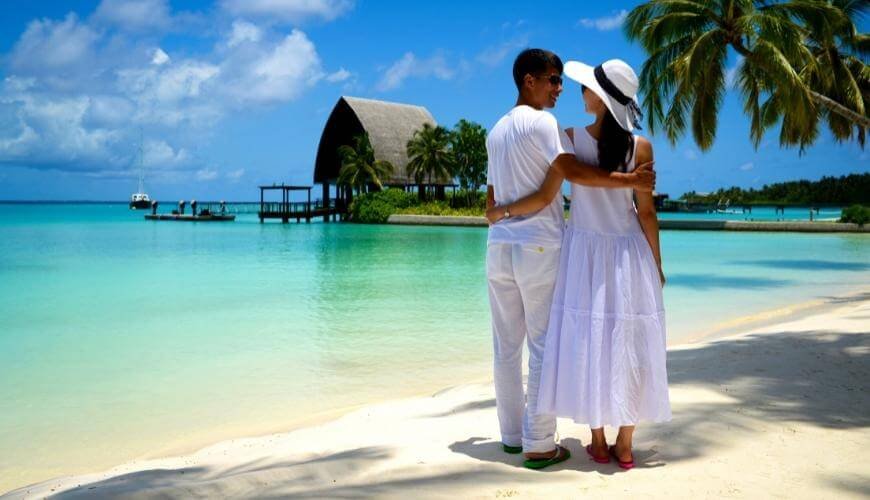
Picture this: the last guest has left, the cake is half-eaten, and you’re finally alone with your new spouse. Your hearts are still racing from the vows, the dances, and those tear-filled toasts. Now imagine trading that electric new-married glow for spreadsheets, work emails, and the same couch you sat on during wedding planning. For many couples, skipping the honeymoon feels practical—save the cash, return to “real life,” or just collapse at home. But here’s the truth I’ve seen play out time and again: that post-wedding trip isn’t a luxury; it’s the quiet launchpad that turns “I do” into a marriage that actually thrives.
Over years of watching friends, family, and couples I’ve advised navigate this exact crossroads, one pattern stands out. Those who carve out even a modest honeymoon come back lighter, closer, and strangely more equipped for the everyday grind. The ones who skip it often whisper later about a vague sense of “what if.” This isn’t about Instagram-perfect sunsets or blowing the budget. It’s about protecting the single most important chapter of your new life together. In the next few minutes, I’m walking you through five rock-solid reasons why skipping your honeymoon is a decision you’ll likely regret—and how to make sure you don’t. These aren’t fluffy opinions; they’re drawn from real couples’ stories, solid research, and the quiet wisdom that only comes from seeing marriages up close.
Reason 1: It’s the Ultimate Reset After Months of Wedding Stress
Wedding planning is a beautiful kind of chaos that quietly drains you. Between vendor negotiations, family opinions, and deciding whether the napkins should be ivory or cream, most couples are running on fumes by the big day itself. A honeymoon isn’t an escape—it’s the deliberate pause your nervous systems have been begging for.
Think about it: you’ve just pulled off one of the most logistically intense events of your lives. Your body and mind are still processing the adrenaline. Heading straight back to nine-to-five life without a buffer is like finishing a marathon and immediately signing up for another. A short trip—even a long weekend at a nearby cabin—lets you exhale, laugh about the seating-chart disasters, and actually absorb what just happened. I watched my cousin and her husband try the “no honeymoon” route. They returned to work the Monday after their Saturday wedding. By Wednesday she was crying in the office bathroom, overwhelmed by the sudden normalcy. They booked a three-day mountain getaway two months later and she still calls it the moment their marriage truly began.
The Hidden Cost of Skipping the Reset
Without that decompression window, tiny resentments can sneak in. One partner feels the post-wedding blues harder; the other buries exhaustion under “we’ll celebrate later.” Research on self-expanding activities (like shared travel) shows they directly reduce stress and rebuild energy stores that weddings deplete.
How a Honeymoon Practically Recharges You
Even a budget-friendly option works magic. Sleep in. Order room service. Talk about everything except centerpieces. The key is intentional downtime—no packed itineraries required.
Reason 2: You Finally Get Undistracted Time to Focus Solely on Each Other
Your wedding day is spectacular, but it belongs to everyone else. The honeymoon? That’s yours. No parents, no group texts, no “quick photos with Uncle Bob.” Just the two of you, fully present, probably for the first time since you got engaged. This concentrated alone time is where real intimacy—emotional, physical, and spiritual—takes root.
Marriage therapists often point out that the early weeks set the relational tone for years. When you’re surrounded by well-meaning family and friends, it’s easy to stay in “host mode.” A honeymoon flips the script. You rediscover why you chose each other. My best friend and her wife delayed their trip six months for work reasons. When they finally left for a quiet beach cottage, they spent the first two days just talking—about fears, dreams, even silly inside jokes they’d forgotten amid planning. She told me later it felt like falling in love all over again, only deeper.
Why “Us Time” Disappears Without a Honeymoon
Life rushes back fast. Work deadlines, unpacked gifts, thank-you notes. The spark that felt electric on your wedding day can dim under routine before you even notice.
Simple Ways to Protect That Focus
Turn off work notifications. Agree to one “no phones after dinner” rule. The goal isn’t perfection; it’s presence.
Reason 3: Honeymoons Create Lifelong Memories That Anchor Your Marriage
Years from now, when life throws curveballs—job loss, parenting exhaustion, or just the ordinary grind—what will you reach for? Those honeymoon stories. The ridiculous sunburn you both got because you forgot sunscreen. The night you stayed up laughing until 3 a.m. because the hotel Wi-Fi was down. These aren’t just vacation snapshots; they become your couple mythology.
I’ve sat across from couples in their 40s who still light up describing their honeymoon trek through a national park or that tiny Italian village where they got lost on purpose. One couple I know skipped the trip to buy a house instead. Ten years later they confessed they had almost no shared “just us” memories from the start of marriage. Their photo albums jumped from wedding to baby showers. The honeymoon memories they never made left a quiet gap.
The Science of Shared Memories
Traveling together triggers dopamine and oxytocin—the same chemicals that bonded you during dating. Those neurochemical boosts create stronger emotional anchors than everyday life ever could.
Turning Any Trip Into Lasting Stories
You don’t need a five-star resort. A road trip with a playlist of your favorite songs or a weekend camping under the stars works just as well. What matters is the shared novelty.
Reason 4: Research Shows Couples Who Honeymoon Have Happier, Longer Marriages
This isn’t feel-good advice—it’s data. A major Honeyfund survey of 1,000 married Americans found striking patterns. Among couples married more than 11 years who rated their marriage “excellent,” 59% had gone on a honeymoon compared to only 35% who hadn’t. Even more telling: 84% of happily married couples travel together regularly, while 78% of those rating their marriage “not so good” do not. And 90% of couples who took three or more romantic trips since their honeymoon described their relationship as good or excellent.
Marriage counselor Dr. Christie Kederian puts it simply: the honeymoon creates space to celebrate and bond before real life resumes. It’s both symbolic and practical.
Honeymoon vs. No Honeymoon: Side-by-Side Comparison
| Aspect | Couples Who Honeymooned | Couples Who Skipped |
|---|---|---|
| Long-term satisfaction (11+ years) | 59% rate “excellent” | 35% rate “excellent” |
| Regular travel habit | 84% of happy couples | 78% of unhappy couples never travel |
| Post-wedding bonding | Stronger foundation reported | Faster return to routine stress |
| Shared memories | Rich “origin stories” for marriage | Gap in early couple narrative |
Data adapted from Honeyfund 2022 survey of 1,000 married Americans.
What the Numbers Really Mean
Traveling together teaches teamwork, flexibility, and joy in the unknown—skills every marriage needs.
Reason 5: It Sets the Positive Tone for Your Entire Marriage Journey
The first chapter of married life writes the emotional script for everything that follows. A honeymoon says, loud and clear: “We matter. Our connection comes first.” It’s the gentle reminder that even when jobs, kids, or bills crowd in, you’ll always protect time for each other.
Couples who start with this intentional celebration tend to keep the habit alive. They schedule date nights, weekend getaways, and bigger adventures because they already know how good it feels. The ones who skip often fall into the trap of “we’ll do it when things calm down”—and things never do.
My own parents delayed their honeymoon a full year because of work. When they finally went, Dad told me it was the moment he realized marriage wasn’t just paperwork; it was an ongoing adventure. They still reference that trip 35 years later whenever life feels heavy.
The Ripple Effect on Everyday Life
That positive tone shows up in how you handle conflict, celebrate small wins, and prioritize each other years down the road.
Making It Work on Any Budget
Honeyfund and similar registries let guests contribute directly to experiences instead of toasters. Scale back one wedding detail if needed—your marriage will thank you.
People Also Ask: Common Questions About Skipping the Honeymoon
Is a honeymoon really necessary after marriage?
Necessary? No. But highly beneficial? Absolutely. It’s less about tradition and more about protecting your new relationship during its most vulnerable transition.
What happens if you skip your honeymoon?
Many couples feel fine at first, but later report a subtle sense of missing out. The post-wedding high fades faster without that dedicated “us” time, and some regret it when life gets busy.
Can you have a honeymoon later and still get the benefits?
Yes! A delayed honeymoon (sometimes called a “re-do moon”) still delivers bonding, memories, and relationship boosts. The key is actually taking it.
How important is the honeymoon phase in marriage?
The early “honeymoon phase” of giddy love naturally softens over time, but a real honeymoon helps extend those warm feelings and builds habits that keep the spark alive longer.
Do most couples regret not taking a honeymoon?
From forums and surveys, a surprising number do—especially once they see friends’ photos or hit their first rough patch and wish they had stronger early memories.
Pros and Cons of Skipping Your Honeymoon
Pros
- Immediate savings for house, debt, or other goals
- No travel stress right after an already exhausting event
- More time with family and friends post-wedding
Cons
- Miss the intentional bonding window research shows matters
- Faster slide back into routine without shared adventure
- Potential regret years later when memories feel thin
- Weaker foundation for handling future marital stress
Frequently Asked Questions
We’re on a tight budget—can we still have a meaningful honeymoon?
Yes. A nearby Airbnb, camping trip, or even a “staycation” with strict no-work rules can deliver the same reset and connection. Focus on experiences, not expenses.
What if one of us hates traveling?
Then customize it. A local spa weekend or scenic drive can still create privacy and novelty without planes or passports.
Is it okay to take a mini-moon right after and a bigger trip later?
It’s actually smart. The mini-moon handles immediate decompression; the bigger trip gives you something exciting to anticipate.
How soon after the wedding should we go?
Whenever your energy and schedules allow. Some leave the next day; others wait months. The important part is going.
We already live together—do we really need this?
Living together is different from honeymooning together. The honeymoon removes all external responsibilities, creating a rare bubble most cohabiting couples never experience.
Skipping your honeymoon might feel responsible in the moment, but the couples I’ve known who made it happen—even modestly—consistently describe it as one of the best decisions they ever made for their marriage. It’s not about the destination or the price tag. It’s about choosing each other one more time, loudly and intentionally, right at the start of forever.
So if you’re weighing the pros and cons, staring at your budget, or wondering whether it’s worth the hassle—let this be your permission slip. Book the trip. Take the time. Your future selves will thank you every single time they retell those honeymoon stories. After all, your wedding was for everyone else. Your honeymoon? That one’s purely, beautifully, for the two of you.